
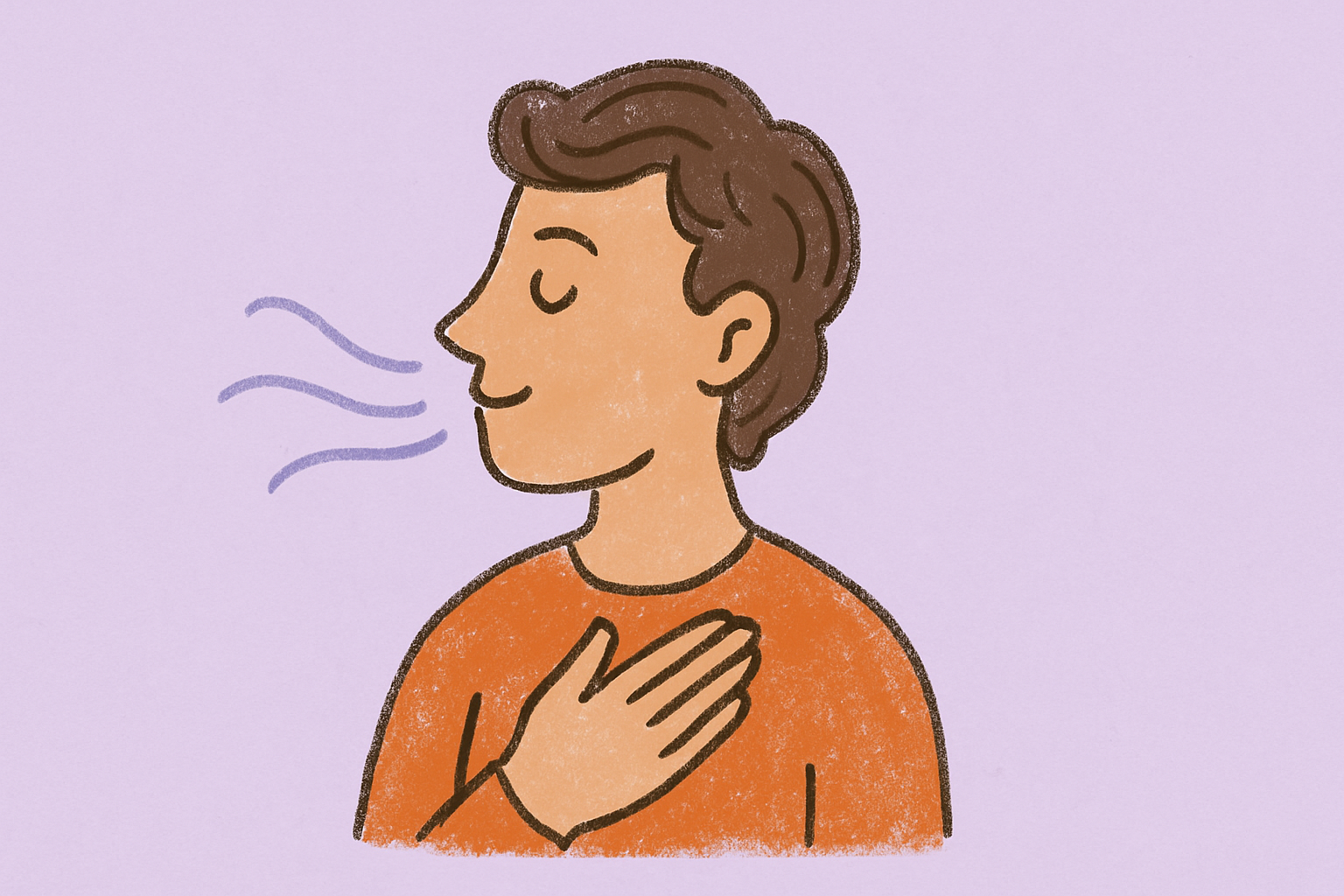
Nervous system care as emotional wisdom
What’s Actually Happening in Your Body
Your nervous system runs the show—especially when you’re stressed.
Let’s break it down through the lens of polyvagal theory:
When your system senses safety → you’re in ventral vagal state (connected, curious, calm).
When it senses danger → it shifts into:
Sympathetic (fight or flight): mobilized, hyperalert, on edge
Dorsal vagal (freeze): shut down, withdrawn, numb
It’s like an internal traffic light:
- Green = Safe to connect
- Yellow = Alert! Something feels off
- Red = Shut down, freeze, or explode
The problem is, your brain often responds to emotional triggers the same way it would to physical danger.
That’s why arguments can feel like war zones.
Why a misread text can ruin your day.
Why setting a boundary can make you feel unsafe.
What Does “The Pause” Actually Mean?
The pause isn’t about stuffing down your feelings or being emotionally detached.
It’s about making space—a few seconds, a few breaths—to choose your next move with clarity instead of chaos.
It’s not silence for the sake of politeness.
It’s silence for the sake of alignment.
When you pause, you shift from being run by your reaction to being rooted in your values.
It’s one of the most emotionally mature things you can do.
How to Regulate in Real Time
Here’s how to meet your nervous system in the moment—without judgment.
1. Name What’s Happening
“I feel my chest tightening.”
“My stomach just dropped.”
“I want to run or say something I might regret.”
Simply naming the physical sensations activates the thinking brain and slows the emotional hijack.
Try adding:
“This is a nervous system response. I’m not unsafe. I’m dysregulated.”
That one sentence creates space between the trigger and the choice.
2. Drop Into the Body
Your body can’t always think its way to safety—but it can feel its way there.
Use sensory-based tools to anchor you:
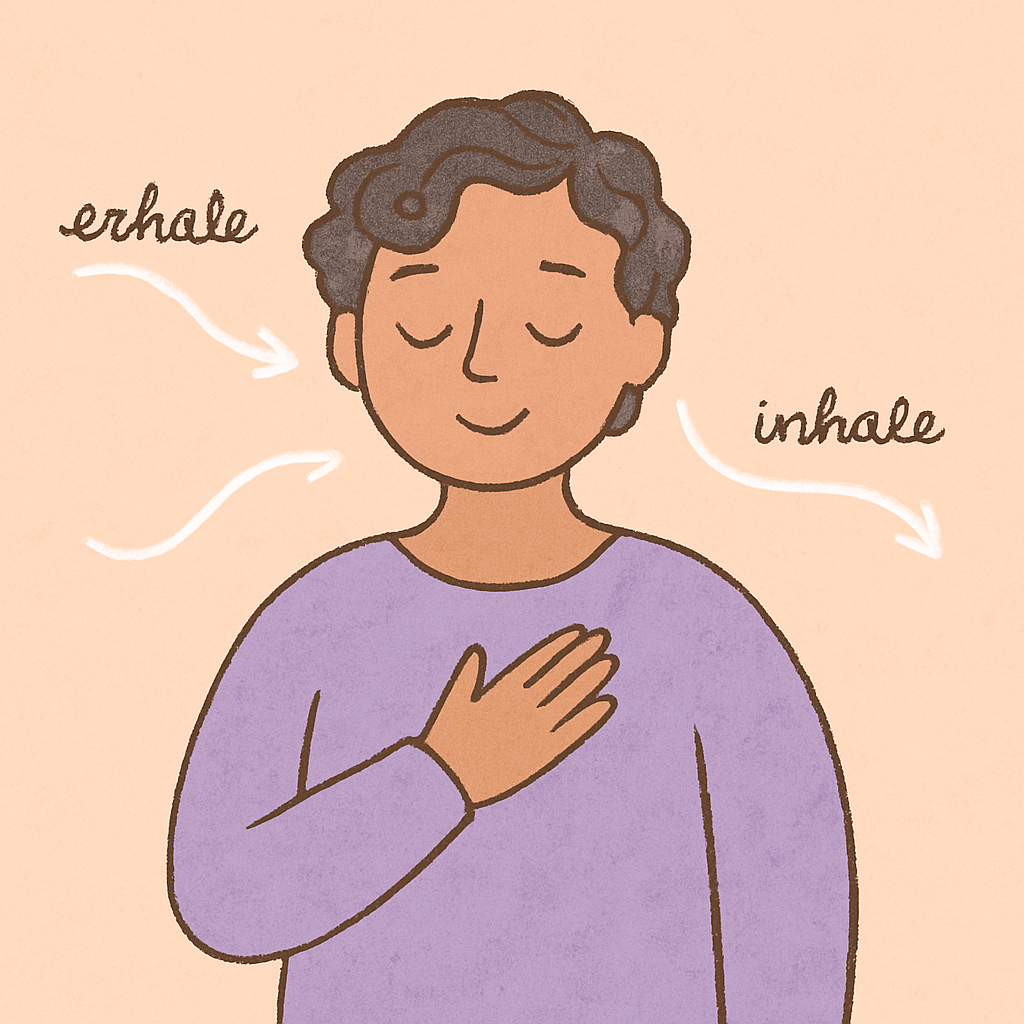
- Touch: Press your hands together. Place one hand on your heart, one on your belly.
- Breath: Try “box breathing” (inhale 4, hold 4, exhale 4, hold 4) or long slow exhales.
- Sight: Find five things you can see and name their colors.
- Movement: Stretch, sway, bounce on your feet—move stuck energy gently out.
Even 30 seconds can shift your state.

3. Delay the Response
Other options:
- “I care about this too much to respond from a triggered place.”
- “Can I gather my thoughts and come back to this?”
- “I want to answer honestly, not react automatically.”
This kind of pause builds trust—with yourself and others.
Why It Matters
Regulation isn’t just about staying calm—it’s about staying connected to your truth in high-stress moments.
When you start regulating before reacting:
- You reclaim your agency
- You respond with intention, not urgency
- You break old cycles passed down by trauma or survival
- You begin to feel more secure, grounded, and emotionally available
You don’t have to be perfectly zen.
You just have to be willing to pause long enough to hear what your body is really asking for.
Viktor E. Frankl
Journal Prompts:
Take a quiet moment and reflect on one or more of these:
- What situations or people tend to trigger the biggest reactions in me?
- What does it physically feel like when I’m dysregulated (tight jaw, shallow breath, clenched fists, etc.)?
- What stories do I tell myself in those moments—and are they true?
- What would it feel like to give myself permission to pause before reacting?
- What helps me feel safe, settled, and grounded when I’ve been activated?