
January 7, 2025
Stress, shutdown, and nervous system overload
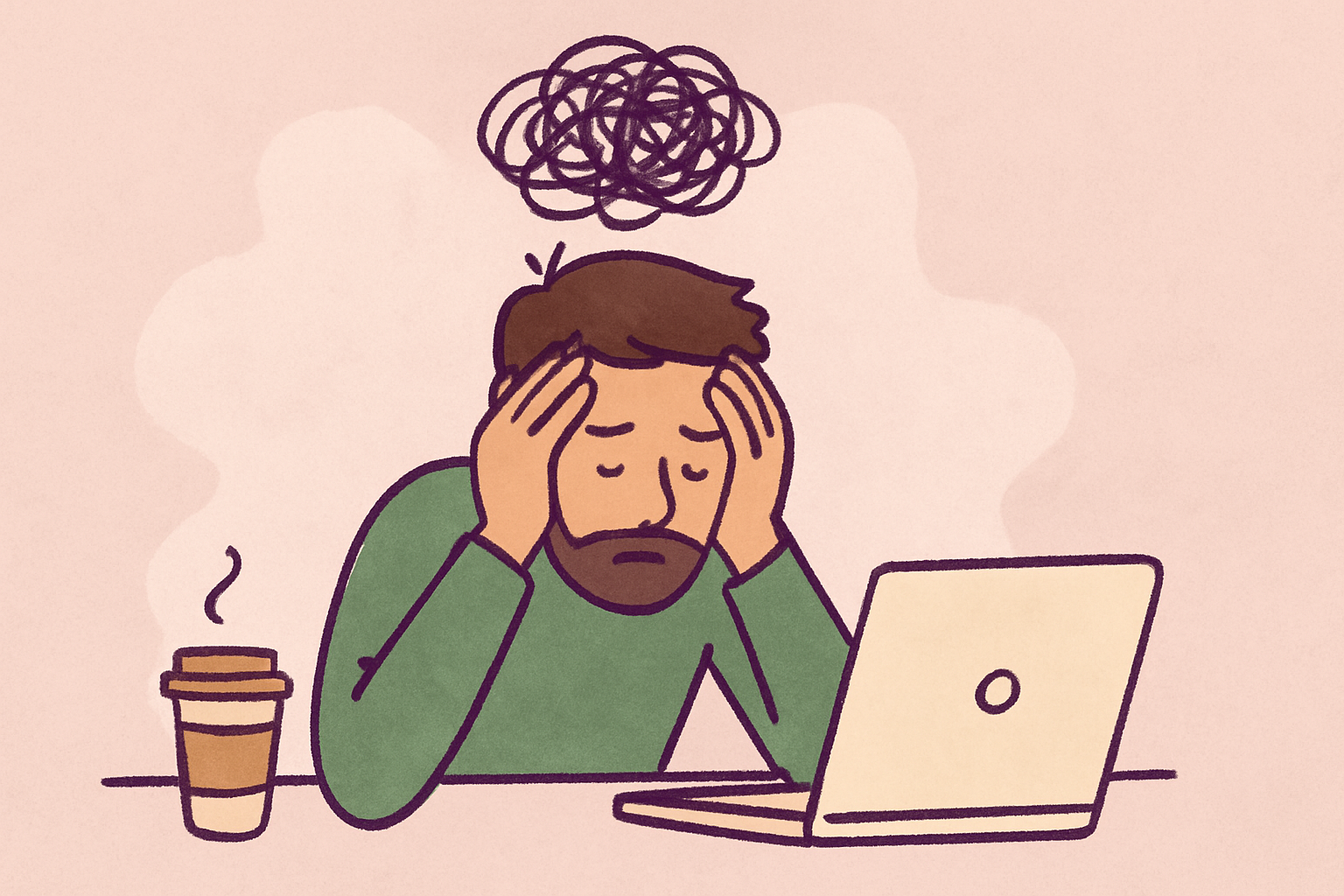
You don’t have to collapse to be burnt out.
For many men, burnout doesn’t come with a big crash.
It comes quietly.
It looks like being fine on the outside—while slowly shutting down inside.
This kind of disconnection is so normalized, most don’t even recognize it until relationships are strained, bodies give out, or life starts to feel like a numb routine.
But what if that distance isn’t laziness, or lack of care, or failure?
What if it’s a nervous system trying to survive the only way it knows how?
Common Signs of Silent Burnout in Men:
- Numbing out with work, screens, food, or porn
- Irritability or quick temper over small things
- Fatigue that rest doesn’t fix
- Feeling blank or "nothing" emotionally
- Avoiding deeper conversations
- A sense of failure or guilt that can’t be named
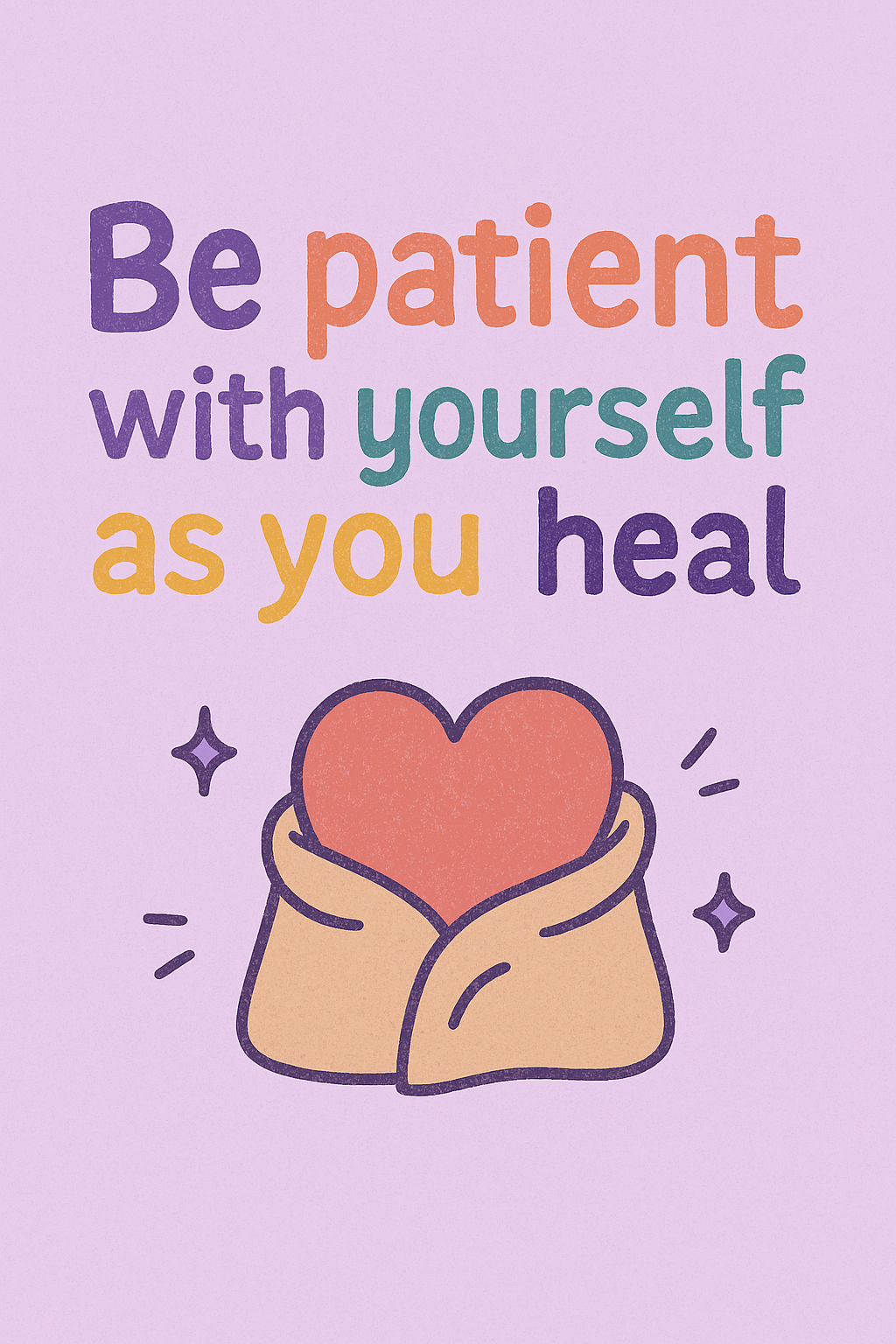
These aren’t flaws. They’re symptoms.
Why It Happens:
From a young age, many boys are taught to:
- Stay strong
- Hide emotions
- Push through discomfort
- Be the provider, the protector—not the one needing protection
But underneath all that pressure is a body and brain that still needs care.
And when stress becomes constant, the nervous system reacts.
The Nervous System’s Response:
- Fight: Anger, control, defensiveness
- Flight: Workaholism, perfectionism, over-scheduling
- Freeze: Shutdown, disconnection, emotional numbness
- Fawn: People-pleasing, resentment, quiet compliance
Most men cycle through these unconsciously. Not because they’re broken—but because no one taught them how to feel safe in their own body.
What Helps:
You don’t have to spill your guts to start healing.
But you do need space to hear yourself again.
- Name what’s happening: “I’m not lazy—I’m overwhelmed.”
- Get curious, not judgmental: What is your body trying to protect you from?
- Build safe outlets: Movement. Breath. Music. Therapy. Trusted conversations.
- Know that rest ≠ weakness: Rest is repair. Silence is not the goal—reconnection is.
“If we don’t express what we’re feeling, we begin to carry it—and eventually, it carries us.”
Dr. Gabor Maté
renowned trauma and addiction expert
Final Thought:
Disconnection doesn’t mean you’ve failed.
It means your system has been on high alert for too long.
You deserve spaces where your nervous system can exhale—
Where you don’t have to perform strength to be respected.
Where being real is enough.
You don’t have to carry it all alone anymore.
Comments ( 1 )
Comments are closed.
Velit interdum elit per dictum accumsan primis metus volutpat. Inceptos feugiat eros nullam lobortis fusce scelerisque sem. Efficitur diam at eleifend platea malesuada aenean. Per convallis convallis dignissim phasellus magna maximus.